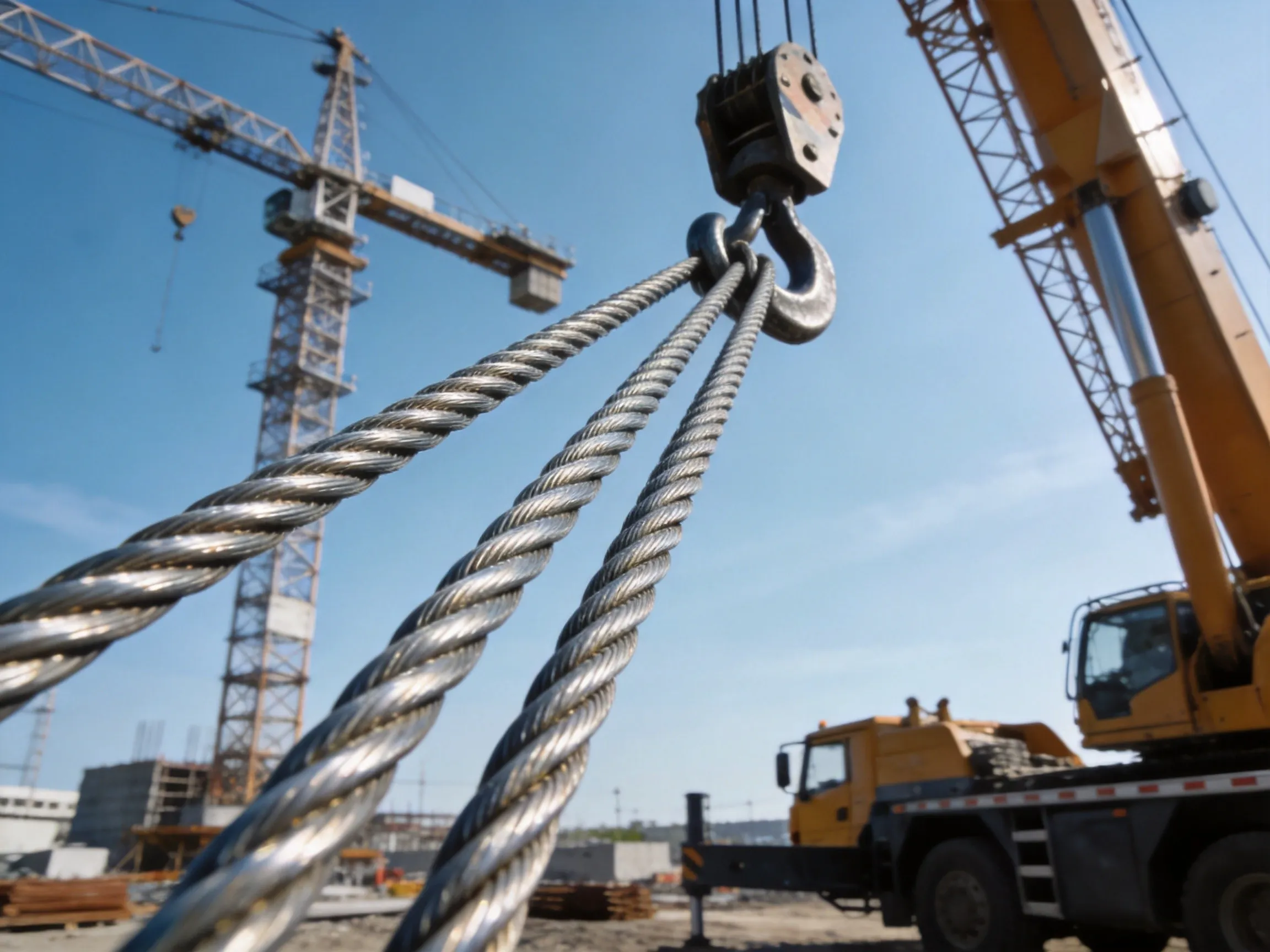
Steel Wire Rope FAQ
Steel wire rope is an essential component in lifting, hoisting, construction, marine, and industrial operations. Proper selection, inspection, maintenance, and usage are crucial to ensure safety, efficiency, and a long service life. This steel wire rope FAQ guide answers the most frequently asked questions about steel wire rope.
1. What is steel wire rope?
Steel wire rope is a high-strength rope made by twisting multiple steel wires into strands, which are then twisted together to form the rope. This structure provides a balance of strength, flexibility, and durability. Steel wire ropes are commonly used in:
- Cranes and hoists
- Elevators and lifts
- Winches and pulleys
- Marine mooring and rigging
- Construction and mining operations
Key Features:
- High tensile strength
- Resistance to abrasion and crushing
- Flexibility for bending around drums or pulleys
- Long service life when maintained properly
2. How to choose the right steel wire rope
When selecting steel wire rope, consider the following factors:
- Working Load Limit (WLL):Ensure the rope can handle the intended load plus a safety factor, typically 4:1 or 5:1.
- Rope construction:6×19 (abrasion-resistant) or 6×37 (more flexible). Choose based on bending radius and pulley type.
- Material and coating:Carbon steel, stainless steel, or galvanized steel. Galvanized steel prevents corrosion; stainless steel is ideal for marine or chemical environments.
- Diameter selection:Based on load, safety factor, and operational requirements. Round up to the next standard diameter if necessary.
- Application environment:Consider temperature extremes, chemical exposure, moisture, and abrasive conditions.
3. How often should steel wire rope be inspected?
Regular inspections are essential for safety and longevity:
- Daily or pre-use inspection:Check for broken wires, kinks, fraying, corrosion, and lubrication issues. Remove dirt and debris.
- Monthly or periodic inspection:Examine for strand deformation, diameter reduction, and bird-caging.
- Annual professional inspection:Conducted by qualified personnel using non-destructive testing (NDT) or magnetic rope testing for heavy-duty applications.
Maintain a log of rope usage, inspections, and maintenance for safety and compliance.
4. Signs that steel wire rope needs replacement
Steel wire rope must be replaced when it shows:
- Broken wires exceeding ISO 4309 limits
- Kinks, crushing, or bird-caging of strands
- Significant corrosion or rust
- Diameter reduction of 3–7% from original
- Excessive elongation or stretching
- Unusual twisting indicating internal damage
5. Proper storage of steel wire rope
To maximize rope life:
- Store in a dry, ventilated area, away from sunlight, moisture, and chemicals
- Keep coils off the groundusing pallets or racks
- Apply protective lubrication or anti-corrosion coatingfor long-term storage
- Avoid sharp bends, crushing, or heavy loads on stored ropes
- Label ropes with purchase date and inspection history
6. Can steel wire rope be repaired?
Minor surface rust or wear may be addressed with cleaning and lubrication. Severe damage such as broken strands, kinks, or diameter reduction beyond limits cannot be repaired and requires immediate replacement.
7. How lifting angle affects rope capacity
The lifting angle reduces the effective load on the rope. Use the formula:
Load_effective = Load × cos(θ)
Where θ is the angle from vertical. Always adjust the Working Load Limit (WLL) based on the lifting angle to prevent overloading.
8. Maintenance requirements for steel wire rope
Regular maintenance includes:
- Lubrication:Reduces friction and prevents corrosion
- Cleaning:Removes debris, chemicals, and dirt that accelerate wear
- Rotation monitoring:For hoists, cranes, and elevators, check for twisting during operation
- Post-heavy-use inspection:Inspect ropes after unusual or emergency lifts for hidden damage
9. Selecting the correct rope diameter
- Calculate based on load, safety factor, and application type
- Refer to ISO 4309 or GB/T 8918-2008 for recommended diameters
- Consider bending radius: ropes over small pulleys may need a larger diameter
- Round up to the next standard diameter if needed
10. Common mistakes to avoid
- Overloading the rope beyond its rated WLL
- Ignoring kinks, twists, or bird-caging of strands
- Storing ropes in wet or corrosive environments without protection
- Skipping regular inspections or maintenance
- Using the wrong rope type for specific applications
11. Standards and certifications
Choose ropes that comply with recognized standards:
- ISO 4309:Lifting steel wire ropes – care, inspection, and discard criteria
- GB/T 8918-2008:Chinese standard for lifting steel wire ropes
- EN 12385:European standard for steel wire ropes
- Certifications like CE, CCC, or ISO 9001indicate verified quality
12. Conclusion
Steel wire rope is indispensable in industrial lifting, hoisting, and material handling. Proper selection, inspection, maintenance, and storage ensure safety, compliance, and longer rope life. Following this guide helps engineers, operators, and procurement teams make informed decisions for safe and efficient operations.